


Passenger injured in an Uber or Lyft
As a passenger, you're typically covered by the rideshare company's full commercial policy. But getting that policy to pay what it should still requires an attorney.
Rideshare accidents are more complicated than regular car accidents, not because the injuries are different, but because the insurance is. Whether you were a passenger, a pedestrian, or another driver, who pays depends on what the Uber or Lyft driver was doing at the exact moment of impact. The Accident Professionals network connects injured Georgians with vetted rideshare accident attorneys who know how to navigate multi-tier insurance and fight for what your case is worth. Free consultation, no fees unless we win.

Trusted Local Network
We connect injured Georgians with experienced local attorneys who understand your case, your courts, and your community.
A rideshare accident claim in Georgia is not a standard car accident claim with an app involved. It's a claim against a layered insurance system that Uber and Lyft have specifically designed to limit their exposure, and that most injured people don't understand until they've already made costly mistakes.
Uber and Lyft classify their drivers as independent contractors, not employees. That means the company's liability depends entirely on the driver's app status at the moment of the crash: app off, personal insurance applies; waiting for a request, limited contingency coverage; en route or transporting a passenger, full commercial coverage applies.
Accident Professionals isn't a law firm. We're a curated network of vetted Georgia personal injury attorneys who understand how rideshare insurance works, which tier applies, and how to build a claim that accounts for every party involved. Georgia's statute of limitations gives you two years to file, but preserving the driver's app data and trip log early is critical.
You just had an accident. The last thing you need is more confusion. Our process is simple.

Free call, no pressure, no jargon. Just tell us what happened.
A vetted local rideshare accident attorney who understands the insurance tiers — based on your role in the crash, location, and needs.
Communication support from consultation to settlement so you always know what's happening next.
Your role in the accident and the driver's app status at the time both affect how your claim is built. Here's what we handle.
As a passenger, you're typically covered by the rideshare company's full commercial policy. But getting that policy to pay what it should still requires an attorney.
If the rideshare driver who hit you was on an active trip or en route to a pickup, their commercial coverage applies. Establishing the driver's app status is the first legal priority.
When the driver had the app on but no active ride, only limited contingency coverage applies — often $50,000 per person. Knowing this matters before you negotiate.
If the app was off, only the driver's personal insurance applies — and some personal policies exclude commercial driving. Coverage gaps are common.
Rideshare vehicles in heavy Georgia urban traffic — particularly Atlanta — are involved in a significant number of pedestrian and cyclist accidents.
When a rideshare driver's negligence causes a chain collision, liability can extend across multiple insurance policies and multiple parties simultaneously.
Georgia's modified comparative fault rule means your compensation can be reduced if you're found partially at fault. In rideshare cases, multiple insurers are each looking for reasons to push liability onto each other rather than pay your claim. These steps protect you.
Get a police report that captures the rideshare vehicle's make, model, and license plate — information critical for identifying which insurance tier applies.
If you were a passenger, screenshot the trip details, driver information, and ride status before closing the app. This is some of the most important evidence in a rideshare case and it disappears quickly.
A same-day medical record establishes both the injury and the timeline. Many rideshare injuries — particularly soft tissue and spinal — are not fully apparent until days later.
Not to Uber's insurer, not Lyft's, not the driver's, and not your own. Say only that you were involved in an accident and that your attorney will be in touch.
A Georgia rideshare accident attorney from our network will identify the correct insurance tier, preserve the digital evidence, and build your case before you make any decisions.
The right damages in a rideshare case depend on which insurance tier applies and how many parties share liability. Uber and Lyft carry $1,000,000 in commercial coverage on an active trip, a much higher ceiling than most personal policies.

Past and future costs: emergency care, surgery, hospitalization, physical therapy, and ongoing treatment.

Income you've already lost, plus future earning capacity if your injuries affect your ability to work long-term.

Vehicle repair or replacement and any personal property damaged in the collision.

Often the largest component of a serious injury settlement.
* Prior results do not guarantee a similar outcome. Settlement amounts vary based on the specific facts and circumstances of each case.

After my accident, I had no idea where to start. Accident Professionals connected me with an attorney who explained everything clearly and made the process much less stressful.
Sarah M
Atlanta
The team was responsive, professional, and genuinely helpful. They answered my questions quickly and helped me find legal support that fit my situation.
Janet T.
Orlando, FL
I appreciated having someone guide me through the process. Instead of spending hours searching online, I was connected with an experienced attorney right away.
Melissa T.
Lawrenceville
From the first phone call, someone was actually there. They made sure I understood my options and followed up throughout the process.
David P.
Decatur
Meet our dedicated team of attorneys, committed to providing expert legal guidance and support tailored to your needs.

Brian Moore
404 Lawyer
Injury Attorney
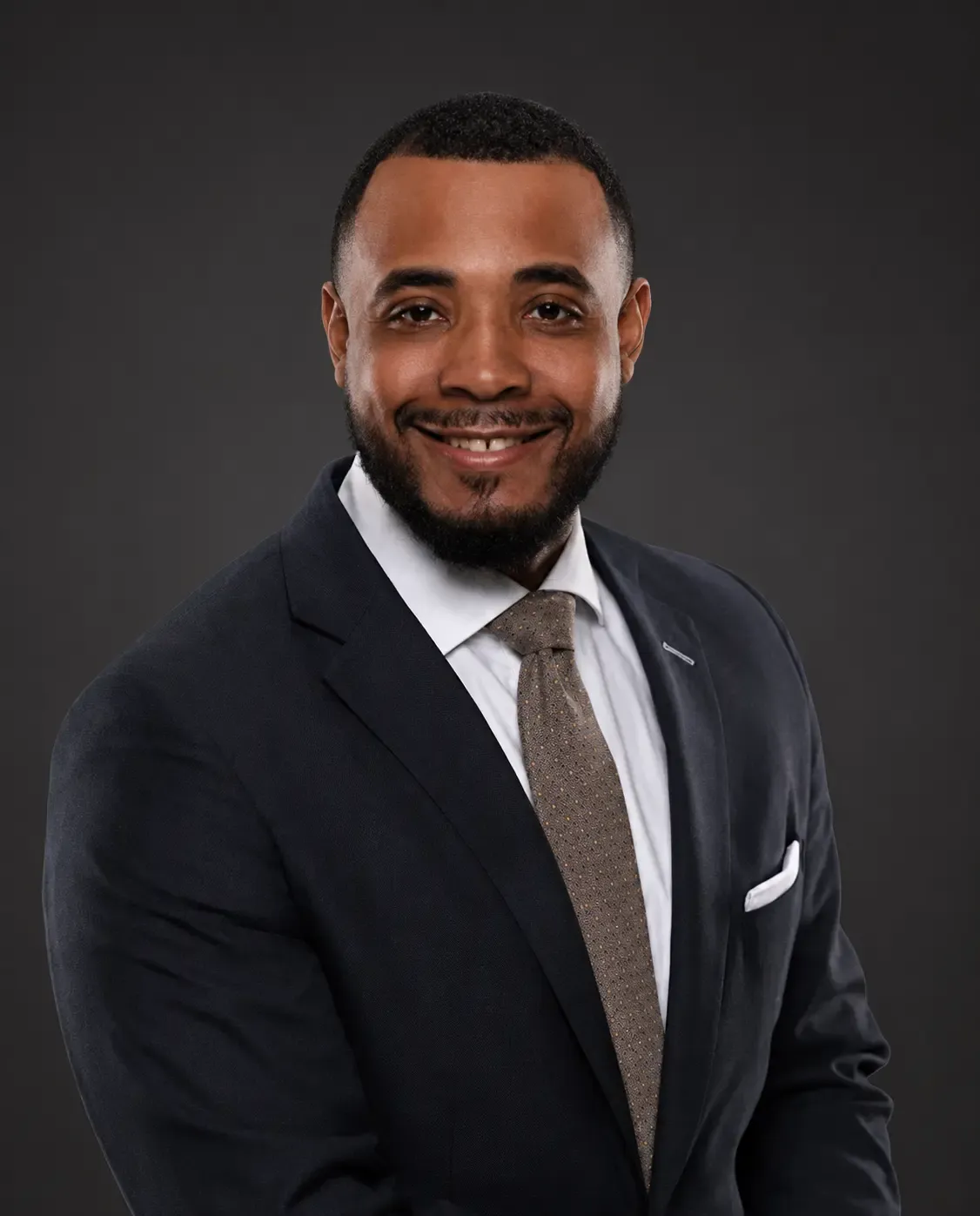
Benjamin J. Rollins
Rollins Law Group
Managing Attorney
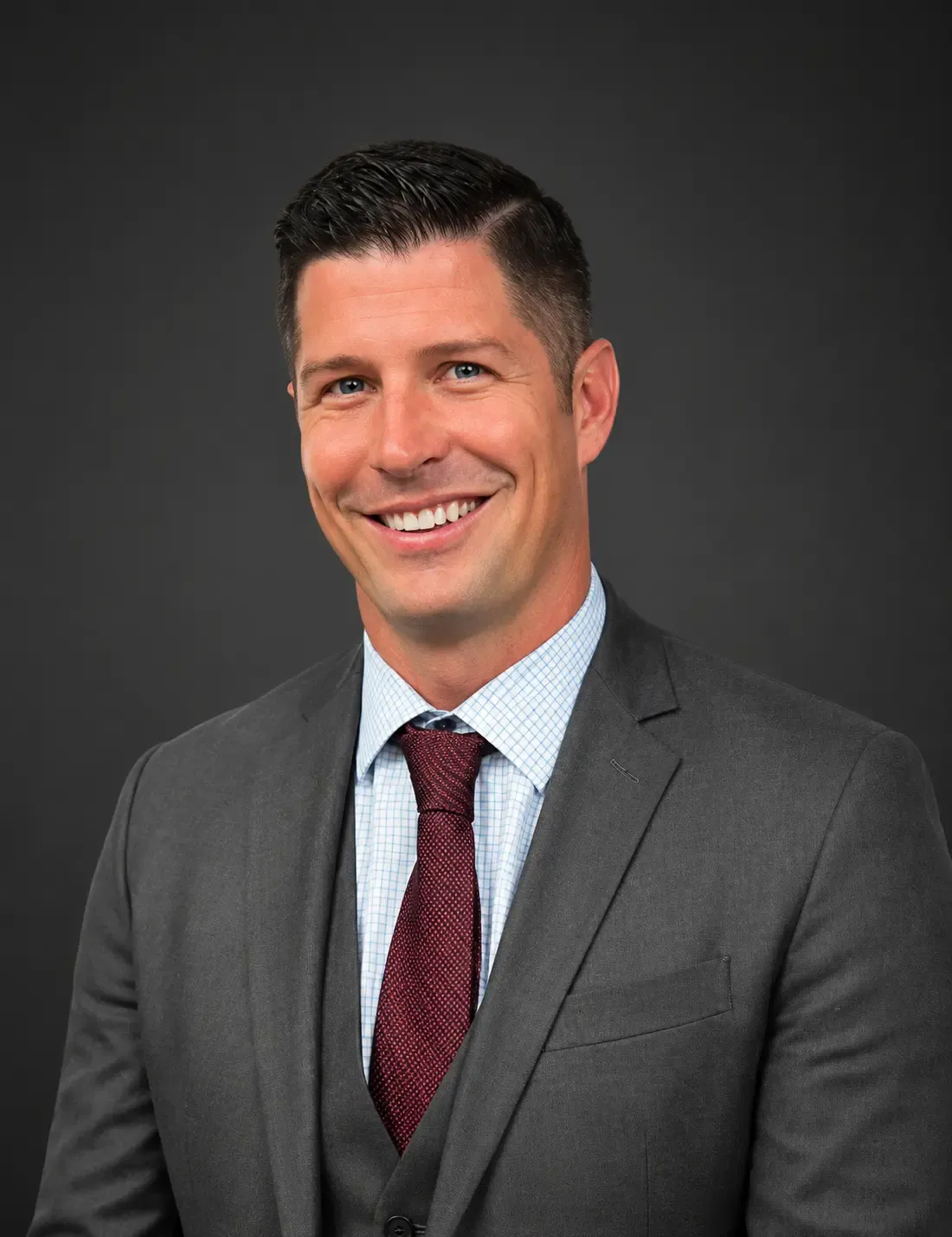
Kurtis Badger, Esq.
Badger Law Group
Owner & Founding Attorney
Brian Moore
404 Lawyer
Injury Attorney
Benjamin J. Rollins
Rollins Law Group
Managing Attorney
Kurtis Badger, Esq.
Badger Law Group
Owner & Founding Attorney
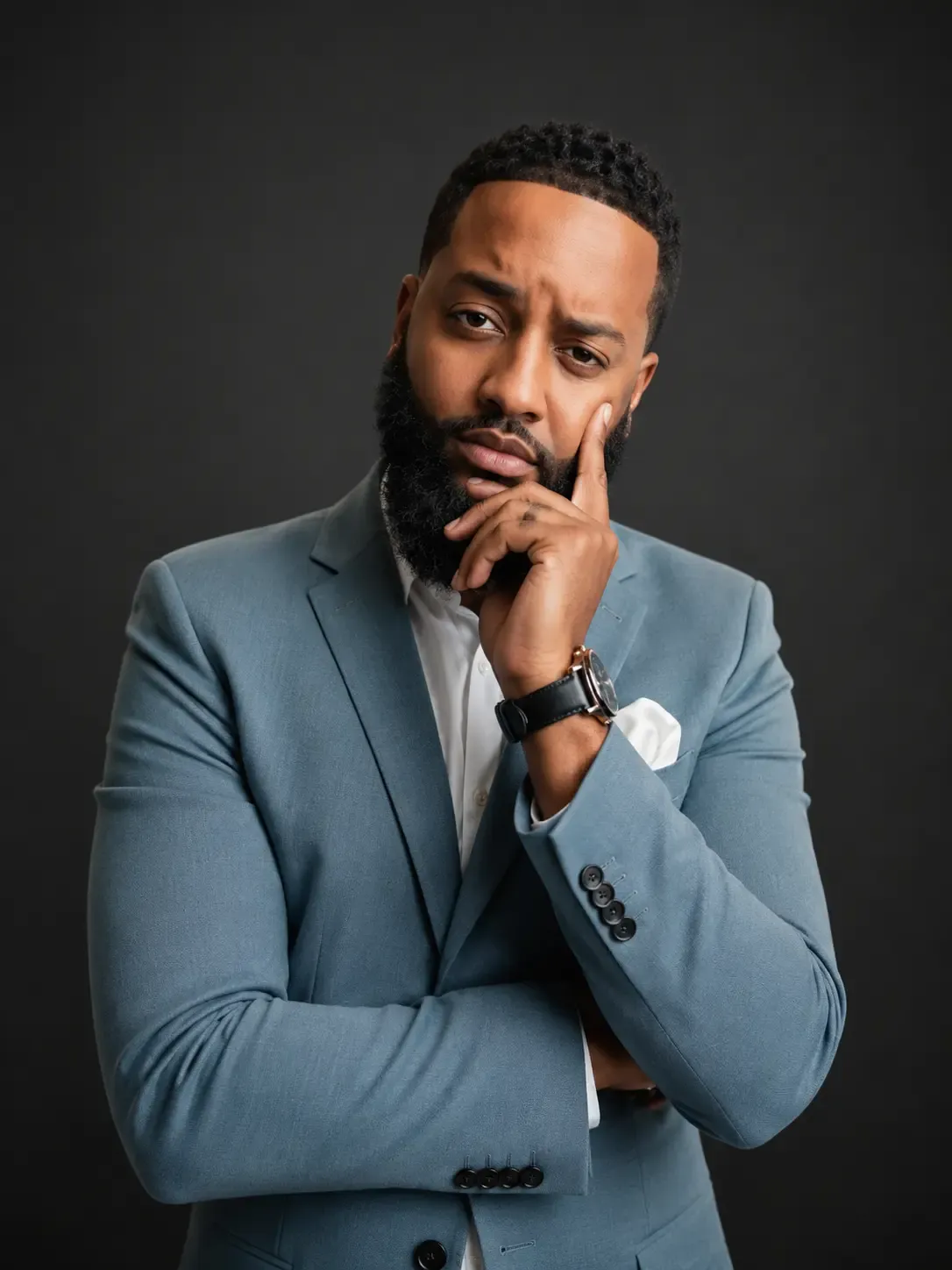
Desmond A. Humphrey
Humphrey & Ballard Law
Personal Injury Attorney & Owner
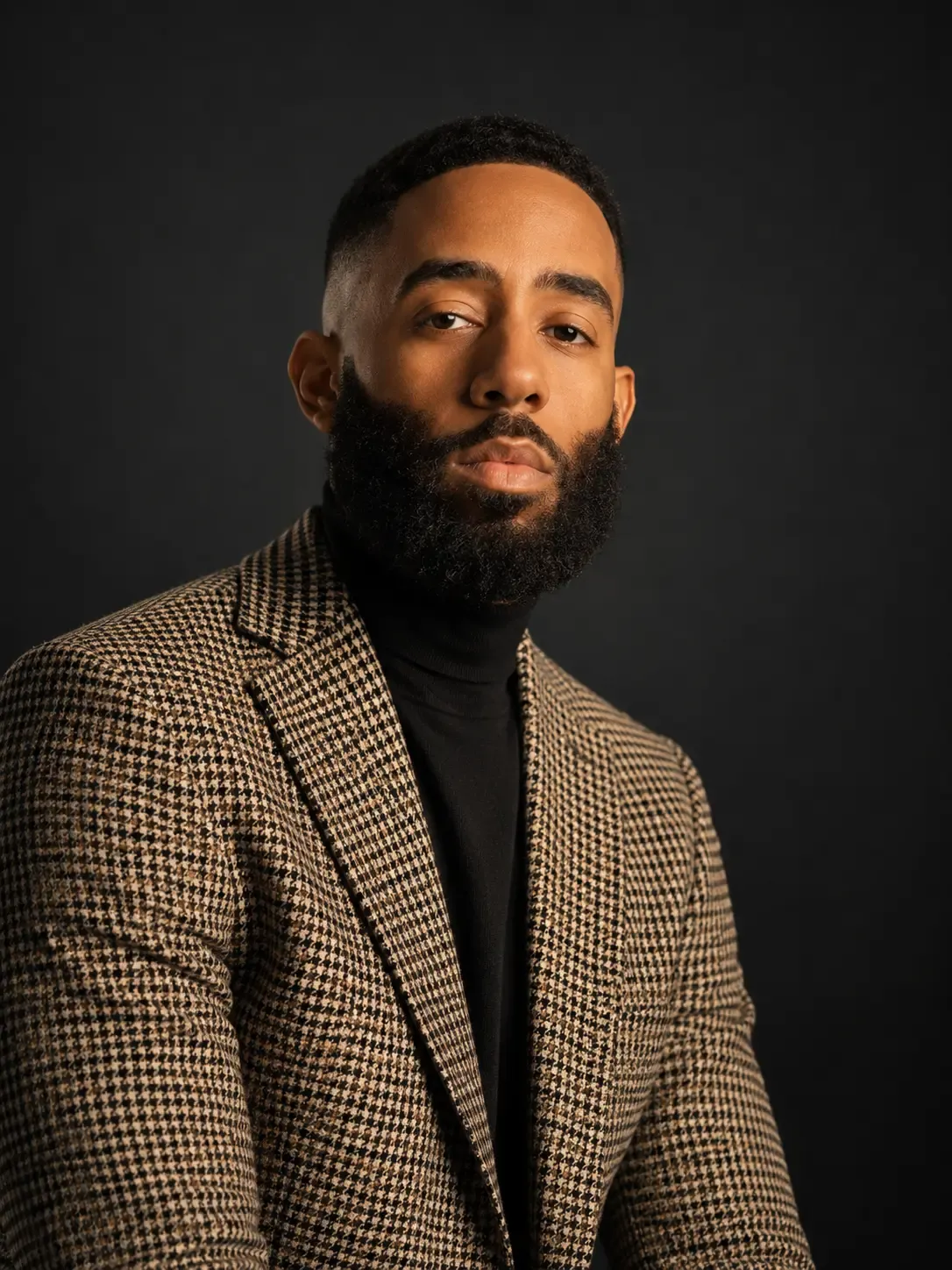
E. David Ballard III
Humphrey & Ballard Law
Personal Injury Attorney & Owner

John Winkenwerder
Wink Law
Attorney at Law

Ivan Bracho Gonzalez
BRAAM Partners
Attorney at Law
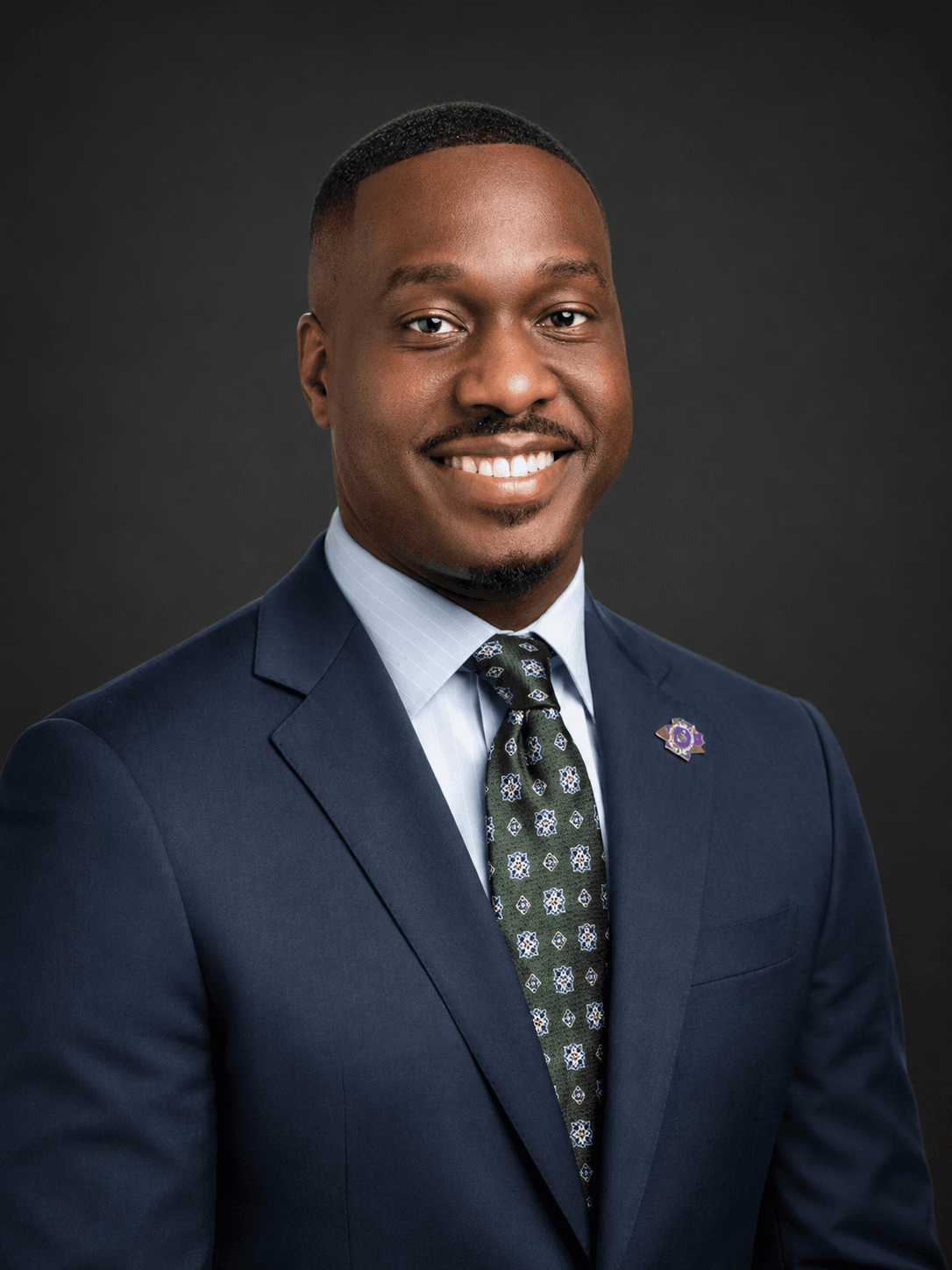
Jameson Sackey
Sackey Law LLC
Attorney

Charles Scholle
Scholle Law
Founder and Partner
 Atlanta, GAMarietta, GALawrenceville, GADuluth, GAAcworth, GABuford, GAGainesville, GARoswell, GAAlpharetta, GASandy Springs, GAAugusta, GASavannah, GA
Don't See Your City?
See All Cities
Common questions about rideshare accident claims in Georgia
When you're a passenger and the driver causes an accident, Uber and Lyft's full commercial liability policy applies — up to $1,000,000 per incident. If another driver causes the crash, their insurance is primary and the rideshare policy may provide additional coverage. A Georgia rideshare accident attorney will identify every applicable policy and pursue all of them.
If the driver's app was completely off, they were not operating as a rideshare driver in any legal sense. Only their personal auto insurance applies — and some personal policies specifically exclude commercial driving, which can create a coverage gap. This is one of the most important reasons to have an attorney identify the driver's app status before you negotiate.
Rideshare companies use a three-tier coverage system. Period 0: app off — driver's personal insurance only. Period 1: app on, no ride accepted — limited contingency coverage ($50K/$100K bodily injury). Periods 2 and 3: en route to pickup or actively transporting — full $1,000,000 commercial policy. Which tier applies depends on the exact app status at the moment of impact.
Generally not easily. Uber and Lyft classify drivers as independent contractors, which legally insulates the company from most direct liability. However, the company's insurance still applies in Periods 2 and 3, and there are circumstances — such as negligent driver vetting — where direct company liability may be argued. An attorney will assess whether that applies to your case.
Case value depends on your injuries, medical costs, lost income, and which insurance tier applies. Passenger cases where the full $1,000,000 commercial policy applies have a significantly higher ceiling than cases involving off-duty drivers. Speak with a rideshare accident attorney before accepting any offer — the first offer is almost never the right one.
Two years from the date of the accident (O.C.G.A. § 9-3-33). But in rideshare cases, digital evidence — app data, GPS records, trip logs — can be lost or overwritten much sooner. Contact an attorney as quickly as possible to preserve that evidence.
Georgia's modified comparative fault rule (O.C.G.A. § 51-12-33) means you can still recover as long as you were less than 50% responsible. Your compensation is reduced by your share of fault but not eliminated. Multiple insurers in a rideshare case will each try to assign you more fault than you deserve — having an attorney levels that dynamic.
We're a vetted personal injury attorney network, not a law firm. We match you with a licensed Georgia attorney who handles rideshare accident cases, manage the intake, and stay involved throughout. No fees unless your attorney wins your case.

No pressure. No jargon. Just an honest conversation about your options.
Available 24/7 · No upfront fees · Multilingual support